
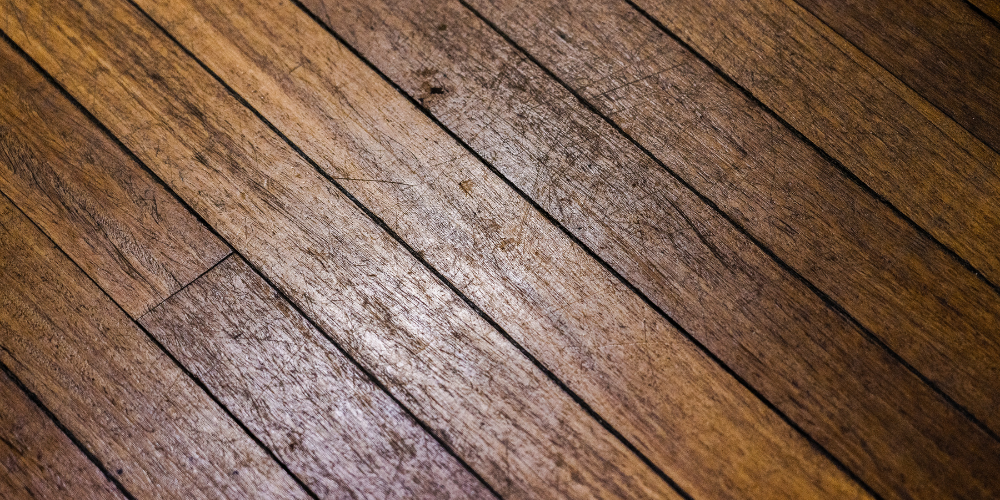
Hardwood floors are an investment—and with proper care, they can last decades or even generations. But many homeowners aren’t sure how to properly maintain hardwood, when refinishing is necessary, or how to protect floors from everyday wear and tear.
Understanding how hardwood ages and how to care for it will help you preserve both its beauty and value.
How Long Do Hardwood Floors Last?
With proper maintenance, hardwood floors can last 50 to 100 years or more. The key factors that affect lifespan include:
- Wood species
- Finish quality
- Traffic levels
- Cleaning habits
- Environmental conditions
Hardwood doesn’t “wear out” the way carpet does—it can be renewed.
Refinishing Hardwood Floors: What You Should Know
Refinishing involves sanding down the surface layer and applying a new stain and protective finish. This process restores appearance and removes surface damage.
When to Refinish
- Deep scratches or gouges
- Worn or dull finish
- Discoloration from sun exposure
- Minor water damage
Most solid hardwood floors can be refinished multiple times, while engineered floors may allow one refinishing depending on veneer thickness.
How Often Is Refinishing Needed?
On average:
- Every 7–10 years in high-traffic areas
- Every 10–15 years in low-traffic areas
Regular maintenance can significantly extend the time between refinishing projects.
Preventing Scratches & Everyday Damage
Scratches are the most common concern for homeowners. While no hardwood floor is scratch-proof, damage can be minimized.
Simple Prevention Tips
- Use felt pads under furniture
- Place mats at entryways
- Keep pet nails trimmed
- Avoid walking on floors with high heels or cleats
- Lift furniture instead of dragging
Area rugs in high-traffic zones also help protect the finish.
Cleaning Hardwood Floors the Right Way
Improper cleaning is a major cause of premature wear.
Best Practices
- Sweep or dust regularly
- Use a hardwood-specific cleaner
- Clean spills immediately
- Avoid excessive water or steam cleaners
Never use abrasive cleaners or harsh chemicals.
Humidity Control Matters
Hardwood responds to environmental changes. Too much or too little humidity can cause:
- Gaps between boards
- Cupping or warping
- Finish cracking
Maintaining indoor humidity between 35–55% helps protect your floors year-round.
When Repairs Are Enough (Instead of Refinishing)
Not all damage requires a full refinish. In some cases:
- Individual boards can be replaced
- Spot repairs can address localized damage
- Screen-and-recoat services can refresh the finish
A professional evaluation helps determine the most cost-effective solution.
Final Thoughts
Hardwood floors are designed to age gracefully—but only with the right care. Understanding refinishing timelines, scratch prevention, and proper cleaning allows homeowners to protect their investment and enjoy beautiful floors for decades.
With expert guidance and professional maintenance, hardwood flooring remains one of the most durable and rewarding choices for any home.