
Spills, pets, lake days, and summer humidity are part of life in Georgia. The right floor isn’t just about the look—it’s about how it handles water and how the whole system (surface + seams + subfloor) performs over time. Here’s a deeper dive to help you choose confidently.
What the labels really mean (and what they don’t)
- Waterproof material: The planks or tiles themselves won’t be damaged by water. It does not guarantee that seams, edges, transitions, or the subfloor are protected from moisture intrusion.
- Water-resistant: The surface resists moisture for a limited time—think “wipe it within minutes/hours,” not “leave a puddle overnight.”
- Waterproof installation: Includes product choice and details like seam management, edge sealing where appropriate, underlayment/vapor control, and proper transitions. This is where pros earn their keep.
LVP (Luxury Vinyl Plank)
What it is: Vinyl wear layer + decorative film over a waterproof core (commonly SPC or WPC). Installed floating or glue-down.
Why Georgia families choose it
- Waterproof core: Ideal for kitchens, basements/slabs, mudrooms, pet zones.
- Durable wear layer: Resists scratches from daily life; choose thickness appropriate to traffic.
- Comfort & sound: Softer/warmer than tile; many options include attached pads.
Best rooms: Kitchens, basements, laundry/mudrooms, family rooms, rentals, high-traffic spaces.
Watch-outs (and fixes)
- Standing water & seams: Water can still seep through seams to the subfloor. Prompt clean-up is rule #1.
- Flatness matters: Most products want subfloors within ~3/16″ over 10′. Level first to avoid click-joint stress and hollow sounds.
- Sunrooms & big windows: Plan for expansion gaps and proper transitions; some darker colors in direct sun can run warmer—ask about heat tolerance.
- Attached pad + extra pad: Don’t “double-pad” unless the manufacturer allows it; it can destabilize the click system.
Pro tips
- Choose a thicker wear layer for big dogs or heavy traffic.
- Over concrete, use the right vapor control (integrated with underlayment or as specified).
- For stairs, consider glue-down stair treads/nosing for safety and longevity.
Laminate (modern water-resistant lines)
What it is: A high-density fiberboard core with a decorative layer and tough melamine wear surface. Most modern lines offer enhanced moisture resistance; some market as “waterproof,” but performance still hinges on edges and timing.
Why people choose it
- Great wood realism and a firmer, “wood-like” underfoot feel.
- Value: Often more budget-friendly than premium LVP or engineered wood.
- Scratch resistance: The melamine top can be very durable against micro-scratches.
Best rooms: Living rooms, bedrooms, hallways, home offices—areas without chronic wet conditions.
Watch-outs (and fixes)
- Edges are the weak point: Although many products use edge coatings and tight locking systems, long-standing spills can swell the core. Wipe promptly.
- Don’t wet-mop: Use damp (not wet) maintenance methods.
- Underlayment choice: Denser pads calm “clap-back” sound; use a vapor barrier over concrete.
Pro tips
- Ask about edge treatments and spill-time guarantees.
- If you want laminate in a kitchen, pair it with rugs/runners at sinks and dishwashers and commit to quick spill cleanup.
Tile (porcelain/ceramic)
What it is: Fired clay body with a glazed or through-body surface. Porcelain typically has very low water absorption (great for wet areas).
Why it excels
- True wet-area performance: The tile surface itself is waterproof and extremely durable.
- Design freedom: Endless sizes, patterns, mosaics, and stone looks.
- Longevity: Properly installed tile can last decades.
Best rooms: Bathrooms, showers, laundry rooms, entries, sunrooms, covered porches (where rated).
Watch-outs (and fixes)
- Grout is the variable: Cementitious grout needs sealing and maintenance. Consider epoxy or high-performance grouts for stain resistance.
- Subfloor strength & prep: Tile requires a rigid, flat substrate. Upstairs baths may need subfloor upgrades; decoupling membranes help prevent cracks.
- Cold/firm underfoot: Add radiant heat or rugs for comfort.
Pro tips
- Ask for slip-resistant finishes (especially for baths).
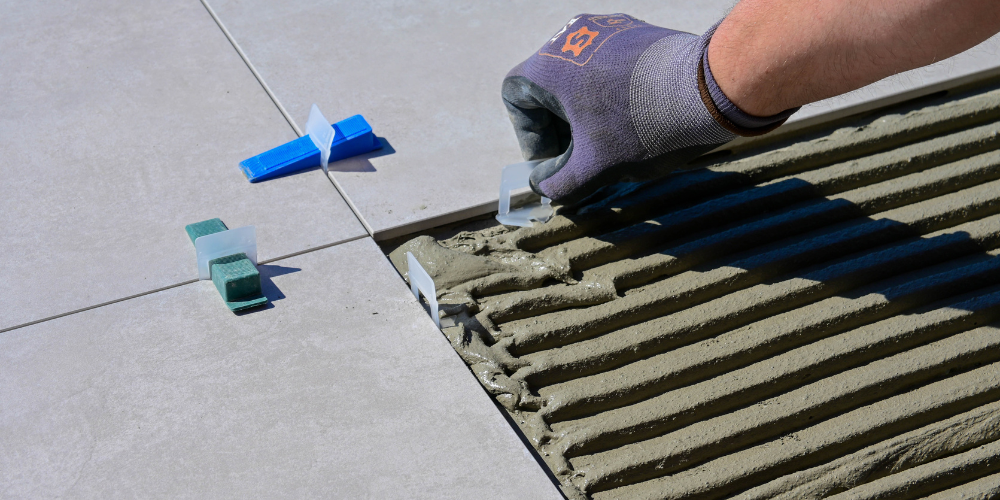
- Use movement joints in large areas and follow layout to avoid lippage (uneven tile edges).
Georgia climate & moisture realities
- Basements & slabs: Vapor can move up through concrete. Use manufacturer-approved vapor barriers/underlayments and test moisture before installing.
- Crawlspaces: If vented and humid, the subfloor can accumulate moisture. Encapsulation, ventilation improvements, or dehumidification may be wise before new floors.
- Seasonal humidity swings: Floating floors need proper expansion gaps and transitions to accommodate movement.
Durability specs that actually matter
- LVP wear layer (mil): Thicker can mean better abrasion resistance. Match to traffic and pets.
- Laminate AC rating: A standardized abrasion class; higher numbers indicate tougher wear surfaces.
- Tile PEI & DCOF: PEI for surface wear (where applicable) and DCOF for slip resistance—especially important for bathrooms and entries.
Sound, comfort, and warmth
- Underlayments: Choose dense pads for click floors to reduce hollow sound without creating bounce. Over concrete, integrate vapor control.
- Area rugs & runners: Big impact on acoustics and comfort, especially in long hallways or great rooms.
- Radiant heat: Tile is ideal; many LVP/laminates are compatible within temperature limits—verify before install.
Room-by-room quick picks
- Kids + pets + frequent spills: LVP (add entry mats and wipe policy).
- Spa bath or shower walls: Tile (consider slip-resistant, easy-clean grout).
- Main living wood look on a budget: Laminate (plus spill habits).
- Basement on slab: LVP or Tile with correct vapor strategy.
- Sunroom: Tile or LVP rated for temperature swings (verify product limits).
Installation details that make or break performance
- Flatness & fastening: Re-fasten squeaky subfloors; level to spec.
- Moisture testing: Especially on concrete; follow adhesive/underlayment rules.
- Transitions & edges: Use quality trims at doors and wet-room thresholds.
- Acclimation (as required): Follow the product’s temperature/humidity guidance—don’t skip.
- Perimeter gaps: Preserve expansion space and keep it clear of caulk or debris.
Maintenance cheat sheets
LVP
- Vacuum/soft-broom often; damp mop with manufacturer-approved cleaner.
- Wipe spills quickly; protect from chair legs with felt pads.
- Avoid steam mops and harsh solvents.
Laminate
- Dry or lightly damp clean only; never saturate.
- Use door mats; protect edges from standing water.
- Felt pads on furniture; avoid abrasive pads.
Tile
- Sweep/vacuum; mop with neutral cleaner.
- Seal cementitious grout on schedule (or choose epoxy grout).
- Use bath mats in wet areas; squeegee shower walls to reduce soap scum.